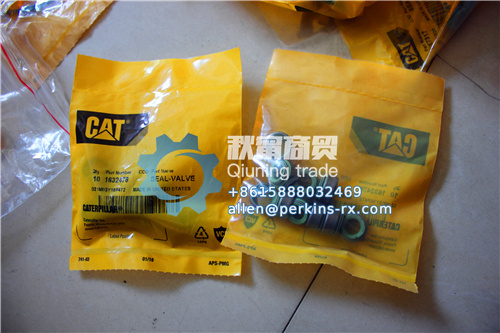
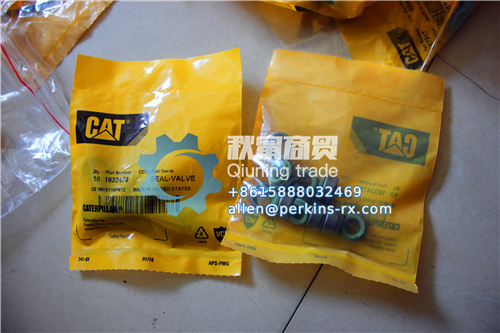
The "oil seal guardian" of the valve system - CAT valve oil seal
In the engine valve system, the valve oil seal is a "micro barrier" that blocks the oil from the combustion chamber, and its sealing directly affects oil consumption, combustion cleanliness, and valve component life. CAT valve oil seals, with "original factory level precise adaptation" and "full temperature range sealing capability" as their core, have become a reliable guarantee for heavy-duty equipment. Their value lies not only in "sealing", but also in their dual role of "protecting combustion and controlling consumption".
As an original CAT accessory, its inner diameter curvature, lip elasticity, and valve stem diameter are perfectly matched (specific compatible models can be consulted with customer service). The sealing lip pressed by the original micrometer scale mold is controlled to have a clearance of 0.02-0.03mm with the valve stem to avoid "too loose oil leakage" or "too tight rod grinding" caused by size deviation of the universal oil seal. This "exclusive adaptation" ensures that the oil seal maintains stable sealing during the high-frequency reciprocating motion of the valve, eliminating the problems of carbon deposition and excessive emissions caused by oil entering the combustion chamber from the source.
Material focusing extreme working condition tolerance: the fluororubber and nitrile rubber composite structure is adopted, the fluororubber layer is resistant to 220 ℃ combustion chamber conduction high temperature (anti-aging performance is 50% higher than ordinary rubber), and the nitrile layer maintains elasticity at -40 ℃ low temperature (to avoid seal failure during cold start). The micro convex design at the edge of the lip enhances the fitting pressure with the valve stem, while reducing frictional resistance (15% lower than ordinary oil seals), avoiding abnormal wear of the valve stem.
The implicit value is reflected in multiple aspects: preventing oil from rising and reducing oil consumption by 40% (reducing the frequency of adding); Prevent engine oil from participating in combustion and forming carbon deposits (extend valve and spark plug life by 30%); Stable sealing ensures cylinder pressure (power output fluctuation ≤ 3%). If the oil seal fails, it can result in blue smoke from the exhaust pipe and a sharp increase in engine fuel consumption. In severe cases, carbon buildup in the valves can cause engine noise and double the repair cost.
Maintenance suggestion: During installation, special tools should be used to press fit (to avoid lip deformation), and the valve and guide should be replaced synchronously; Check the oil consumption every 2000 hours, and if there is an abnormal increase, investigate the aging status of the oil seal; Avoid using inferior engine oil (insufficient anti-corrosion additives can accelerate oil seal degradation).
Choosing CAT valve oil seals essentially adds a "long-lasting sealing insurance" to the valve system, allowing the engine to maintain low consumption, cleanliness, and stable operation during high load operations.