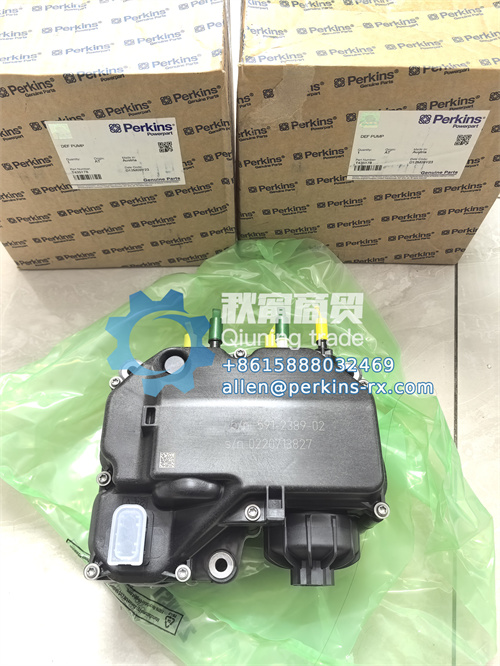
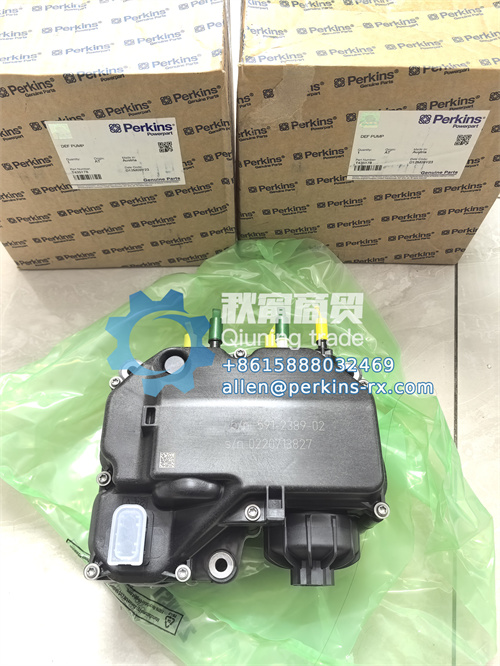
Learn more about the Perkins T435178 Urea Pump: Everything You Need to Know
Amidst increasingly stringent environmental regulations, diesel engine emission treatment technology is becoming increasingly important. As a core component of the SCR (Selective Catalytic Reduction) system, the performance of the urea pump is directly related to the engine's emissions control effectiveness.
What is a urea pump and its role in the SCR system?
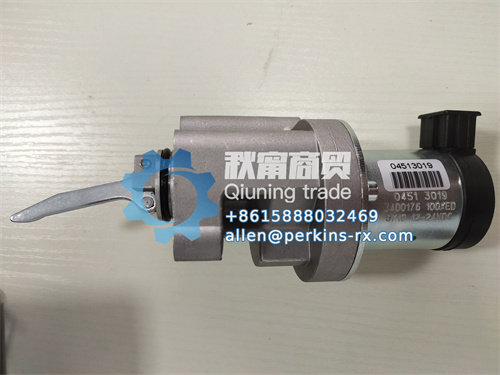
A urea pump is a key component in a diesel engine's SCR aftertreatment system. Its primary function is to accurately pump urea solution from the urea tank, maintain a stable pressure, and deliver it to the injection unit to meet the flow and pressure requirements of the injection metering system.
In the SCR system, the urea pump precisely pumps a precisely defined concentration of urea solution to the injection nozzle, where it mixes with the exhaust gas in the exhaust pipe. When the exhaust temperature reaches the injection start temperature, the aftertreatment system opens the nozzle according to engine instructions and sprays the urea solution into the exhaust pipe. In the exhaust gas environment at 200-500°C, the urea solution undergoes a redox reaction with NOx. Catalyzed by a vanadium-based catalyst, it is converted into harmless nitrogen and water, which are then discharged, effectively reducing nitrogen oxide emissions from the diesel engine.
Detailed Explanation of the Working Principle of the Urea Pump
The urea pump operates in four main phases:
Standby Phase: When the key switch is in the ON position but the engine is not started, the system initializes and performs self-tests. If any abnormality is detected, a fault code will be displayed and the fault light will illuminate.
Pre-injection Phase: When the system meets certain conditions (no faults affecting pressure buildup, exhaust temperature exceeding 180°C, engine speed exceeding 500 rpm, thawing is complete, and there are no blockages or leaks in the pipes and nozzles), the motor runs, drawing urea solution from the urea tank into the urea pump. Urea is then returned through the return pipe, building pressure within the urea pump.
Injection Phase: When the exhaust temperature reaches the start-up temperature, the aftertreatment system opens the nozzle according to engine instructions, spraying urea solution into the exhaust pipe.
Emptying Phase: When the key switch is in the OFF position, the urea pump begins emptying, the motor stops, and the backflow pump operates (lasting approximately 120 seconds). Urea solution flows back through the injection pipe into the urea pump and then back into the urea tank through the return pipe.
The design of the emptying phase is critical, preventing urea solution from accumulating in the pipeline and crystallizing and clogging in low-temperature environments.
Common Urea Pump Failures and Maintenance Recommendations
Common failure modes of urea pumps include: water ingress and leakage; internal blockage; motor damage; pressure sensor damage; backflow pump failure; and corrosion and aging of seals and gaskets.
These failures can lead to a range of observable symptoms, the most common of which are an illuminated fault light, insufficient power, and no or abnormal urea consumption.
To maintain the urea pump in good working condition and extend its service life, the following maintenance measures are recommended:
Use genuine urea solution: Inferior urea solution is substandard, lacks purity, and contains impurities, which can easily crystallize and cause nozzle clogging.
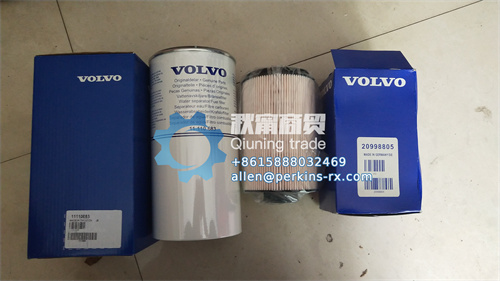
Regularly replace the urea filter element: The urea filter element has a limited dirt holding capacity. Even when using genuine urea solution, it needs to be replaced regularly (generally recommended to be around 50,000 kilometers). Once the filter element loses its filtering effectiveness, impurities in the urea can cause system failure.
Regularly inspect the urea pump: Check the pump housing for damage or urea solution leakage; check the pump electrical connector for damage or corrosion; check the urea line connector for looseness or damage; and check the urea line for bends, damage, or incorrect connections.
How to Identify a Urea Pump Failure?
When a urea pump malfunctions, you can use the following methods to make a preliminary diagnosis:
After performing a visual inspection, you can further use a multimeter to measure the resistance of the urea pump electrical connector.
If the test results are abnormal, the wiring harness may need repair or replacement, or the urea pump itself may be faulty and need replacement.
Conclusion
As a core component of the SCR system, the performance of the Perkins T435178 urea pump directly affects the engine's emissions control effectiveness. Understanding the urea pump's operating principle, common faults, and maintenance methods will help you better use and maintain this important component, ensuring the engine is always in optimal working condition while meeting environmental emission requirements.
If you need a Perkins T435178 engine urea pump or have any questions, please contact us:
Email: allen@perkins-rx.com
Website: http://www.cnqn.net/
WhatsApp/WeChat: +8615888032469
We provide genuine Perkins engine urea pumps, backed by a global warranty, providing reliable after-sales service.