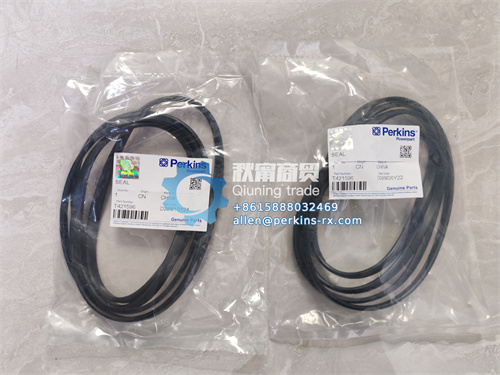
Perkins T421596 Valve Cover Gasket: A Comprehensive Analysis and Selection and Usage Guide
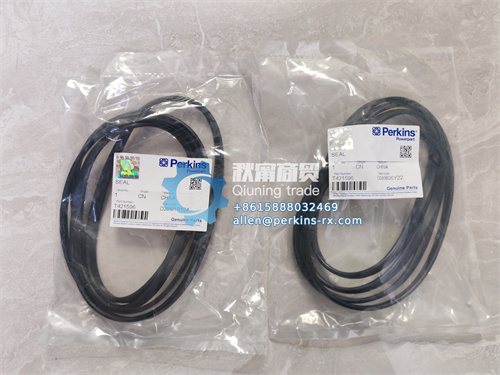
For Perkins engine users, the valve cover gasket is a crucial component that ensures stable engine operation.
As a standard original equipment manufacturer fitting, the Perkins T421596 has undergone rigorous testing for fit, sealing, and durability. Below, we analyze its core value and key usage points from multiple perspectives.
1. Core Fit: Precise Matching to Avoid Misfit Risk
When purchasing engine parts, international users prioritize "accurate fit"—misfitting can not only lead to seal failure but also damage the engine cylinder head. The Perkins T421596 valve cover gasket has a clear compatibility range and is primarily compatible with specific diesel engines, such as the Perkins 1103 and 1104 series. (For specific compatible models, please refer to the Perkins official parts catalog or consult a professional supplier.) Its dimensions, bolt hole locations, and edge curvature strictly adhere to the original manufacturer's design, perfectly fitting the valve cover and cylinder head surfaces. No secondary cutting or polishing is required, minimizing installation errors. Note: Always provide your engine serial number before purchasing to ensure a 100% match between the parts and your model.
II. Core Function: Solving the Dual Pain Points of "Oil Leakage and Dust Control"
The valve cover gasket's core function is to seal the gap between the valve cover and the cylinder head. The Perkins T421596 addresses these two key user needs by:
Preventing Oil Leakage: During engine operation, the valve train requires oil lubrication. If the gasket is aged or has a poor seal, oil can leak outside the engine, causing oil loss and potentially contaminating belts and wiring harnesses, leading to component wear. The T421596 utilizes an oil-resistant synthetic rubber compound that maintains its elasticity even at high temperatures, effectively preventing oil leakage.
Preventing Impurities: The valve housing contains a delicate valvetrain (such as valves, rocker arms, and pushrods). If external dust or moisture enters through gaps, it can contaminate the engine oil, exacerbate valve wear, and even cause valve sticking. The T421596's tightly sealed edges isolate impurities and safeguard valvetrain cleanliness.
III. Reliable Purchasing Channels: Avoid "Aftermarket Hazards"—Choosing the Right Platform is Key.
When purchasing engine parts, international users are most concerned about buying counterfeit or inferior parts. Perkins recommends purchasing the T421596 through reputable channels to ensure authenticity and after-sales service.
Caution: Aftermarket T421596 gaskets are often made of inexpensive rubber, which can harden and crack at high temperatures. Leaks can occur within 3-6 months, increasing repair costs.
WeChat/WhatsApp: +8615888032469
E-mail: allen@perkins-rx.com
Indicate the model or serial number for faster processing and preferential pricing.
We offer global delivery, guarantee authenticity, and support online ordering.
IV. Correct Installation Procedure: 3 Steps to Ensure Sealing Effectiveness and Avoid "Installation Failure"
Even with the original gasket, incorrect installation can cause sealing failure. We recommend having a qualified technician perform this procedure, or following the steps below (a torque wrench, cleaning cloth, and engine cleaner are required):
Pre-disassembly Cleaning and Inspection: First, shut down the engine and allow it to cool to room temperature. Remove the valve cover mounting bolts (remove diagonally to avoid deformation). After removing the old gasket, thoroughly clean the sealing surface between the cylinder head and the valve cover with a cleaner to remove any residual oil and glue, and ensure the surface is free of scratches and protrusions. To install a new gasket: Align the Perkins T421596 gasket with the cylinder head seal groove (note the "TOP" logo on the gasket facing up). Gently press until it fits snugly. Replace the valve cover and install the bolts in a "diagonally tightened" pattern. Refer to the torque specifications in the Perkins engine service manual (typically 8-12 N·m, depending on the engine model). Avoid overtightening the bolts, which could damage the gasket, or over-loosening them, which could result in a poor seal.
Post-installation testing: Start the engine and idle for 10-15 minutes. Observe for oil leaks around the valve cover. After driving/operating for 1-2 hours, recheck the seal to ensure there are no potential problems.
 5. Extending Service Life: 3 Practical Tips to Reduce Replacement Frequency
The normal service life of the Perkins T421596 original gasket is approximately 2-3 years (or 30,000-50,000 kilometers, depending on engine operating conditions). The following maintenance can further extend its durability:
Regularly check the seal: During each engine maintenance, pay close attention to the area around the valve cover for oil stains and oil stains. If minor leaks are detected, clean them promptly and check the bolt torque to prevent further leakage and gasket degradation.
Use compliant engine oil: Strictly follow Perkins engine requirements and use API CK-4 grade or higher diesel engine oil with an appropriate viscosity (such as 5W-30 or 15W-40). Inferior engine oils can easily form sludge, corrode the gasket rubber, and shorten its life.
Prevent engine overheating: Prolonged high engine temperatures (such as insufficient coolant or a clogged radiator) can accelerate the aging of the gasket rubber and cause it to lose its elasticity. Regularly check the cooling system to ensure the engine operating temperature is within the normal range (80-95°C).
VI. Quality Assurance: Why Choose the Genuine Perkins T421596 Over Aftermarket Parts?
When purchasing spare parts, "quality consistency" directly impacts repair costs and engine safety. The original Perkins T421596 offers three key advantages:
Material Compliance: Made from a Perkins-certified nitrile rubber + fiber composite material, it is resistant to high and low temperatures (-40°C to 150°C), oil corrosion, and complies with EU RoHS environmental standards, releasing no hazardous substances.
Strict Manufacturing: Each batch of gaskets undergoes "sealability testing," "aging testing," and "dimensional accuracy testing." Unqualified products are immediately rejected, ensuring a 100% factory-qualified product rate.
After-Sales Compatibility: If engine failure is caused by a quality issue with the spare part, you can apply for aftermarket support from authorized Perkins channels with proof of purchase. This is not the case with aftermarket parts.
VII. Frequently Asked Questions (FAQ): Answering Frequently Asked Questions
Q: How do I know if the valve cover gasket needs to be replaced?
A: Replacement is required promptly in the following situations: ① Signs of oil leakage around the valve cover; ② "Valve noise" occurs during engine operation (possibly due to oil leakage leading to insufficient valve lubrication); ③ Abnormal increase in oil consumption (after eliminating oil burning).
Q: Can the Perkins T421596 valve cover gasket be reused?
A: Reuse is not recommended. The rubber of the gasket has deformed after removal. Reinstallation will result in uneven sealing pressure and a high risk of leakage.
Q: Can I install it myself without specialized tools?
A: Self-installation is not recommended for beginners. Improper torque control is the main cause of installation failure. It is recommended to entrust the work to a technician with Perkins service experience to avoid significant problems.
Although the Perkins T421596 valve cover gasket may be a "small accessory," it is a critical component in ensuring the proper operation of the engine's valve train. Selecting genuine sources, proper installation, and regular maintenance will maximize its value and safeguard the stable operation of your Perkins engine.
5. Extending Service Life: 3 Practical Tips to Reduce Replacement Frequency
The normal service life of the Perkins T421596 original gasket is approximately 2-3 years (or 30,000-50,000 kilometers, depending on engine operating conditions). The following maintenance can further extend its durability:
Regularly check the seal: During each engine maintenance, pay close attention to the area around the valve cover for oil stains and oil stains. If minor leaks are detected, clean them promptly and check the bolt torque to prevent further leakage and gasket degradation.
Use compliant engine oil: Strictly follow Perkins engine requirements and use API CK-4 grade or higher diesel engine oil with an appropriate viscosity (such as 5W-30 or 15W-40). Inferior engine oils can easily form sludge, corrode the gasket rubber, and shorten its life.
Prevent engine overheating: Prolonged high engine temperatures (such as insufficient coolant or a clogged radiator) can accelerate the aging of the gasket rubber and cause it to lose its elasticity. Regularly check the cooling system to ensure the engine operating temperature is within the normal range (80-95°C).
VI. Quality Assurance: Why Choose the Genuine Perkins T421596 Over Aftermarket Parts?
When purchasing spare parts, "quality consistency" directly impacts repair costs and engine safety. The original Perkins T421596 offers three key advantages:
Material Compliance: Made from a Perkins-certified nitrile rubber + fiber composite material, it is resistant to high and low temperatures (-40°C to 150°C), oil corrosion, and complies with EU RoHS environmental standards, releasing no hazardous substances.
Strict Manufacturing: Each batch of gaskets undergoes "sealability testing," "aging testing," and "dimensional accuracy testing." Unqualified products are immediately rejected, ensuring a 100% factory-qualified product rate.
After-Sales Compatibility: If engine failure is caused by a quality issue with the spare part, you can apply for aftermarket support from authorized Perkins channels with proof of purchase. This is not the case with aftermarket parts.
VII. Frequently Asked Questions (FAQ): Answering Frequently Asked Questions
Q: How do I know if the valve cover gasket needs to be replaced?
A: Replacement is required promptly in the following situations: ① Signs of oil leakage around the valve cover; ② "Valve noise" occurs during engine operation (possibly due to oil leakage leading to insufficient valve lubrication); ③ Abnormal increase in oil consumption (after eliminating oil burning).
Q: Can the Perkins T421596 valve cover gasket be reused?
A: Reuse is not recommended. The rubber of the gasket has deformed after removal. Reinstallation will result in uneven sealing pressure and a high risk of leakage.
Q: Can I install it myself without specialized tools?
A: Self-installation is not recommended for beginners. Improper torque control is the main cause of installation failure. It is recommended to entrust the work to a technician with Perkins service experience to avoid significant problems.
Although the Perkins T421596 valve cover gasket may be a "small accessory," it is a critical component in ensuring the proper operation of the engine's valve train. Selecting genuine sources, proper installation, and regular maintenance will maximize its value and safeguard the stable operation of your Perkins engine.